TECHNOLOGY · CLOUD MIGRATION
From Legacy to Cloud: The Insurance Administrator's Migration Journey
The migration from spreadsheets and legacy systems to a cloud-native insurance platform is not a technology project. It is an operational transformation — and it requires a partner who understands both.
LEGACY · CLOUD · MIGRATION · SaaS · TRANSFORMATION
N.WHITE Systems
Technical Architecture Team
The migration from legacy systems to a cloud-native insurance platform is the most consequential operational decision an administrator will make in a decade. It is not a technology project — it is an operational transformation that touches every person, every process, and every piece of data in the organisation. And it requires a partner who understands both the technology and the operational reality of running an insurance book during the transition.
Most administrators running legacy systems today are not using antiquated mainframes. They are using spreadsheets. Excel workbooks that have grown organically over years — with macros, with linked files, with manual processes that are understood by one person and documented nowhere. The migration from this environment to a structured, cloud-native platform is not simply a data-transfer exercise. It is a knowledge-capture exercise, a process-redesign exercise, and a change-management exercise, all happening simultaneously.

Why Administrators Stay on Legacy Systems
The reasons administrators stay on legacy systems are not irrational. They are practical. The current system — however creaky — works. The team knows how to use it. The data is there. The reports come out. The claims get processed. The idea of migrating to a new system introduces risk: risk of data loss, risk of downtime, risk of team disruption, risk of the new system not doing something the old system did. These risks are real, and any credible migration partner must address them directly.
But the risks of staying are equally real, and they compound over time. A spreadsheet-based system cannot scale beyond a certain book size without becoming unmanageably complex. It cannot enforce data-quality rules. It cannot provide real-time reporting. It cannot integrate with banking or insurer feeds. It cannot meet the FSCA’s audit-trail requirements. And it cannot support the team when the one person who built the spreadsheet leaves the organisation.

The EarCodeX Migration Model
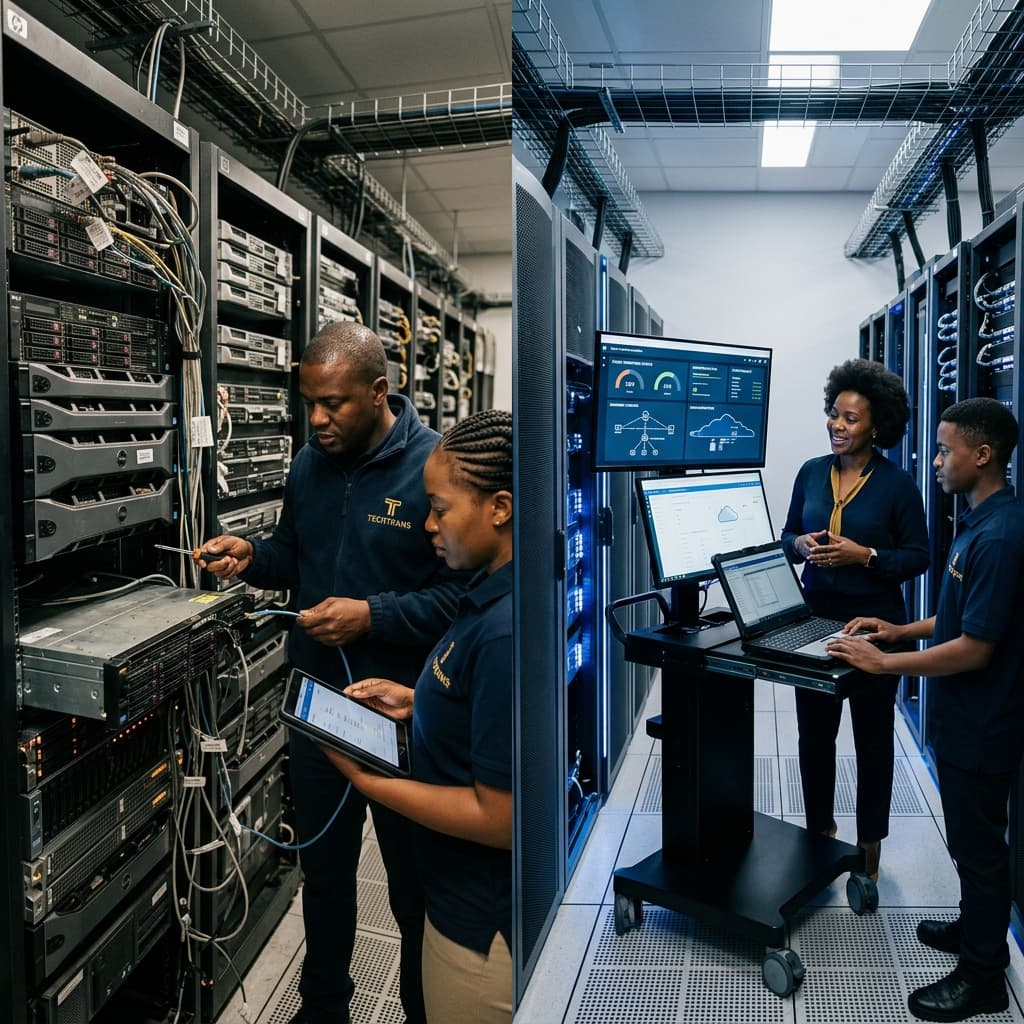
EarCodeX uses a parallel-run migration model. The legacy system continues to operate throughout the transition. Data is extracted, cleaned, validated, and loaded into EarCodeX in stages — starting with the policy master data, then the claims history, then the financial records. At each stage, the migrated data is validated against the legacy system to ensure one hundred per cent integrity. The team is trained on the new system while continuing to use the old one. And go-live happens only when both systems are producing identical outputs and the team is confident in the new environment.
The typical migration timeline is four to eight weeks, depending on the size of the book and the complexity of the legacy environment. A dedicated migration manager is assigned to every client, and they remain available for sixty days post-go-live to ensure that the transition is fully stable.


Ready to Migrate?
Speak to our implementation team about a zero-downtime migration from your current systems to EarCodeX.
Start the Conversation →